
Monocrystalline vs Polycrystalline vs Bifacial Solar Panels
A simple, practical guide to how each panel type works – and which is best for Australian homes, businesses and farms.
(In Victoria, choosing the right panel can also support rebate/STC eligibility.)
About solar panels and their types
Solar PV panels generate electricity when sunlight hits the solar cells inside the module. Your real-world output depends on more than “panel type” - things like roof direction, shading, temperature, system size, and mounting design matter a lot.
Common solar cell types you'll hear about:
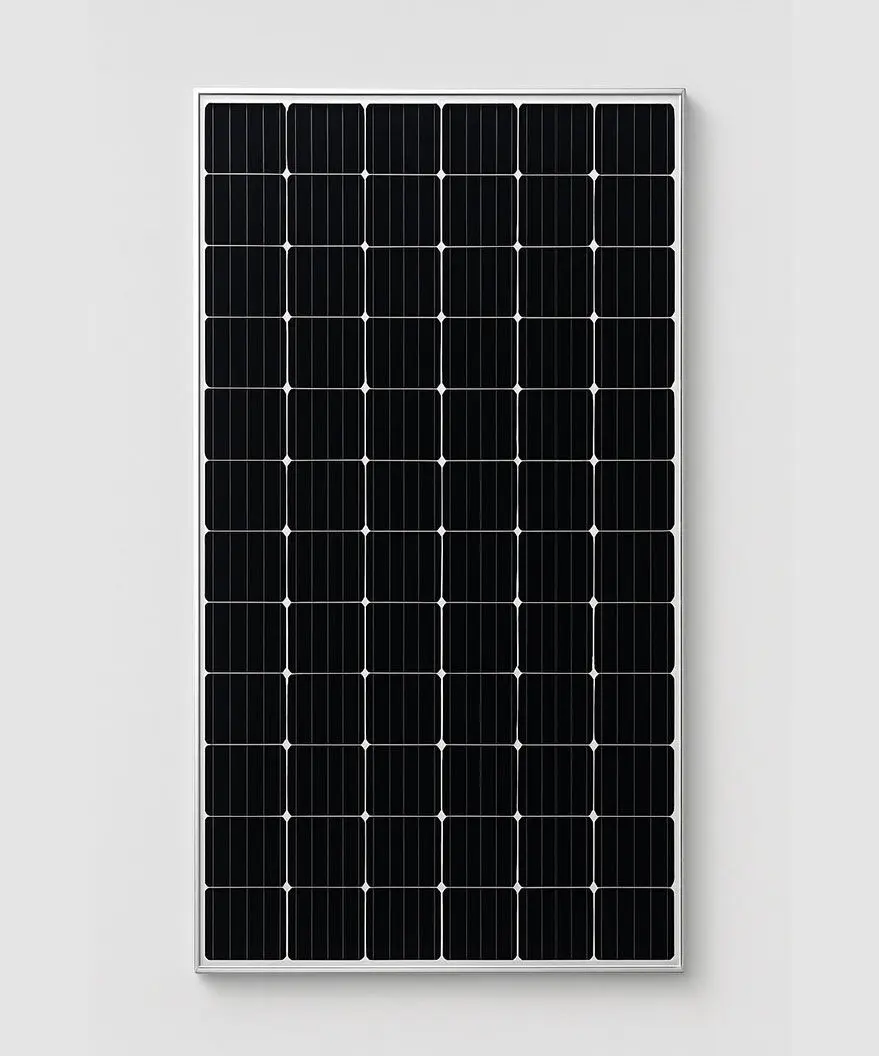
Monocrystalline
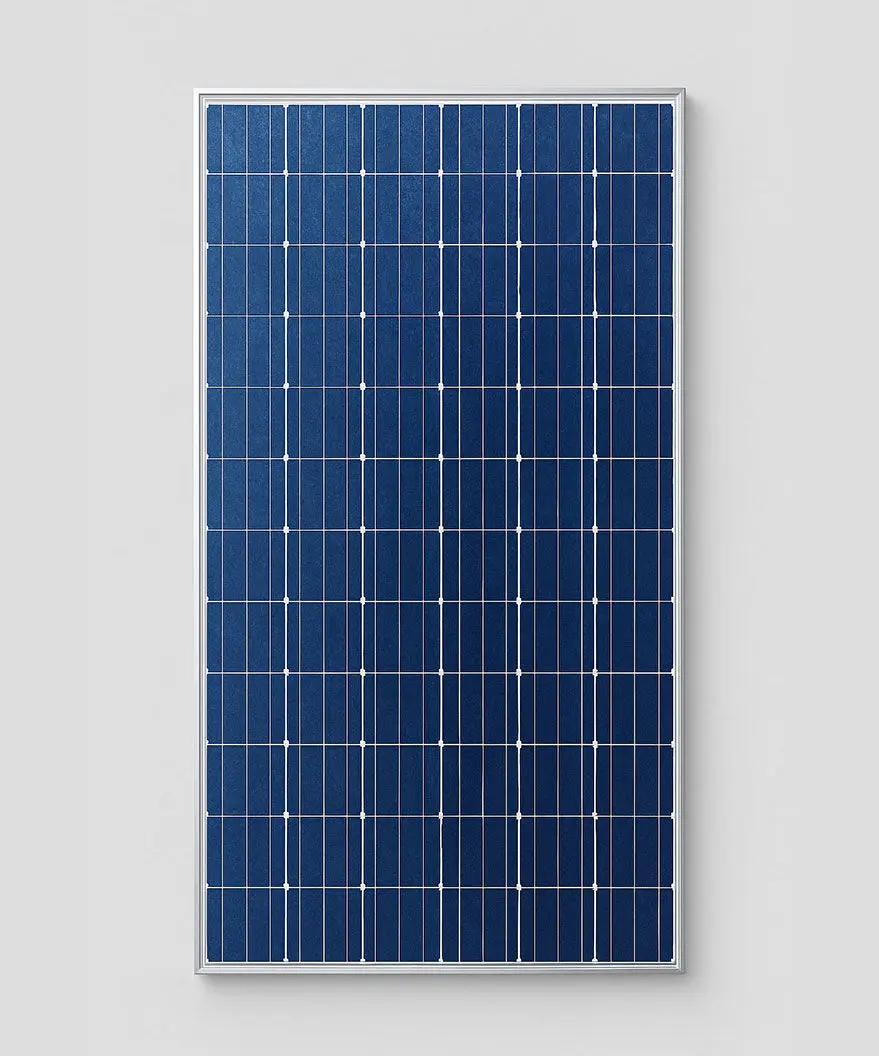
Polycrystalline
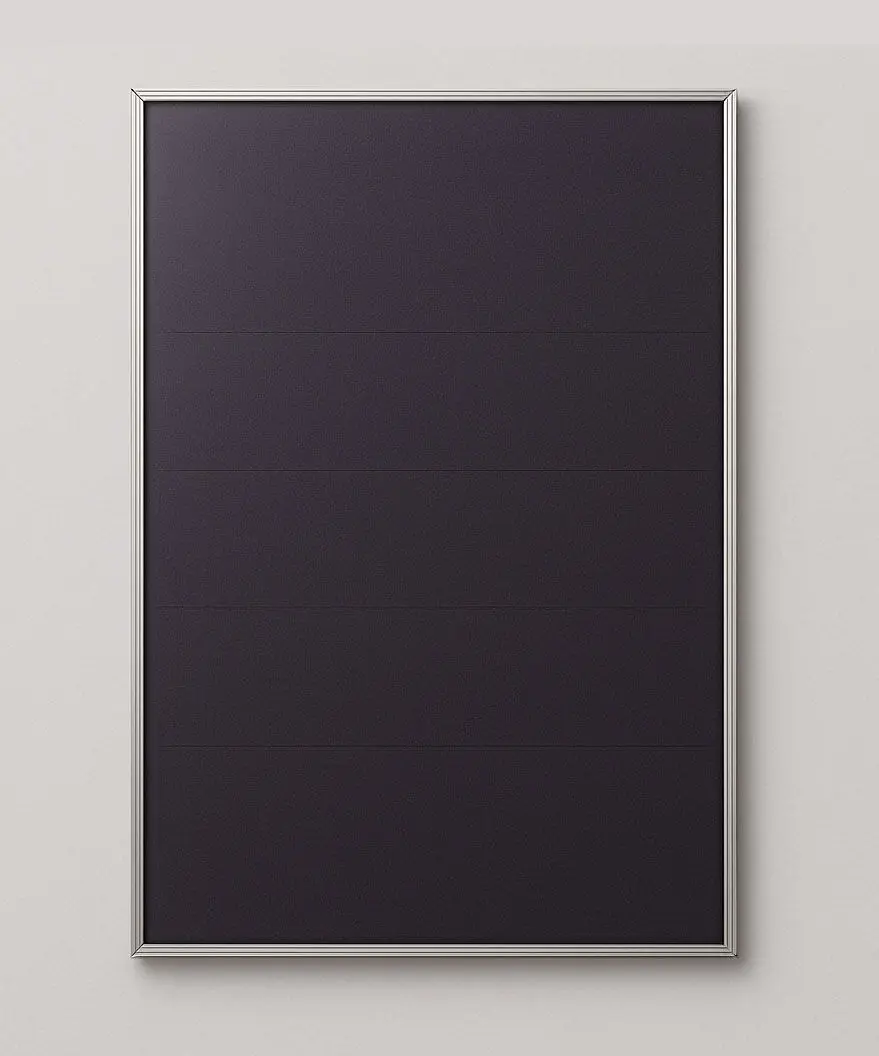
Thin Film
(Thin-Film is a less common for typical rooftops)
Monocrystalline Solar Panels
How they work
- Made from a single, high-purity silicon crystal.
- Cells convert sunlight into DC electricity; an inverter converts it for your home/business use.
Key benefits
- Higher power density (more watts in less roof space) – helpful when roof area is limited.
- Cleaner look (often darker/black cells).
- Widely available in today’s Australian market.
Considerations
- Often priced slightly higher than comparable alternatives.
- If two panels are the same rated wattage, the “mono vs poly” label alone is usually not the deciding factor – roof space and product quality/warranty matter more.
Polycrystalline Solar Panels
How they work
Made from multiple silicon crystals melted together.
Same basic PV process: sunlight → DC electricity → inverter converts for use.
Key benefits
Can be a cost-effective option where available.
Proven technology used for many years.
Considerations
Typically lower power density than the highest-efficiency mono panels, so you may need more roof space for the same system size.
In practice, for same rated power output, performance difference vs mono is usually not meaningful – panel brand/support and system design matter more.
Bifacial Solar Panels
Bifacial solar panels are designed to generate electricity from both sides of the module – the front captures direct sunlight, while the rear side captures reflected and scattered light from the surface below (like light-coloured roofing, concrete, gravel, or ground cover).
Because they can generate additional energy in the correct setup, bifacial panels are commonly used in commercial rooftop systems, carports, and ground-mounted arrays, especially where there’s good clearance underneath and a reflective surface. Solution with Sam also works with Tier 1 bifacial panels for suitable commercial installations.
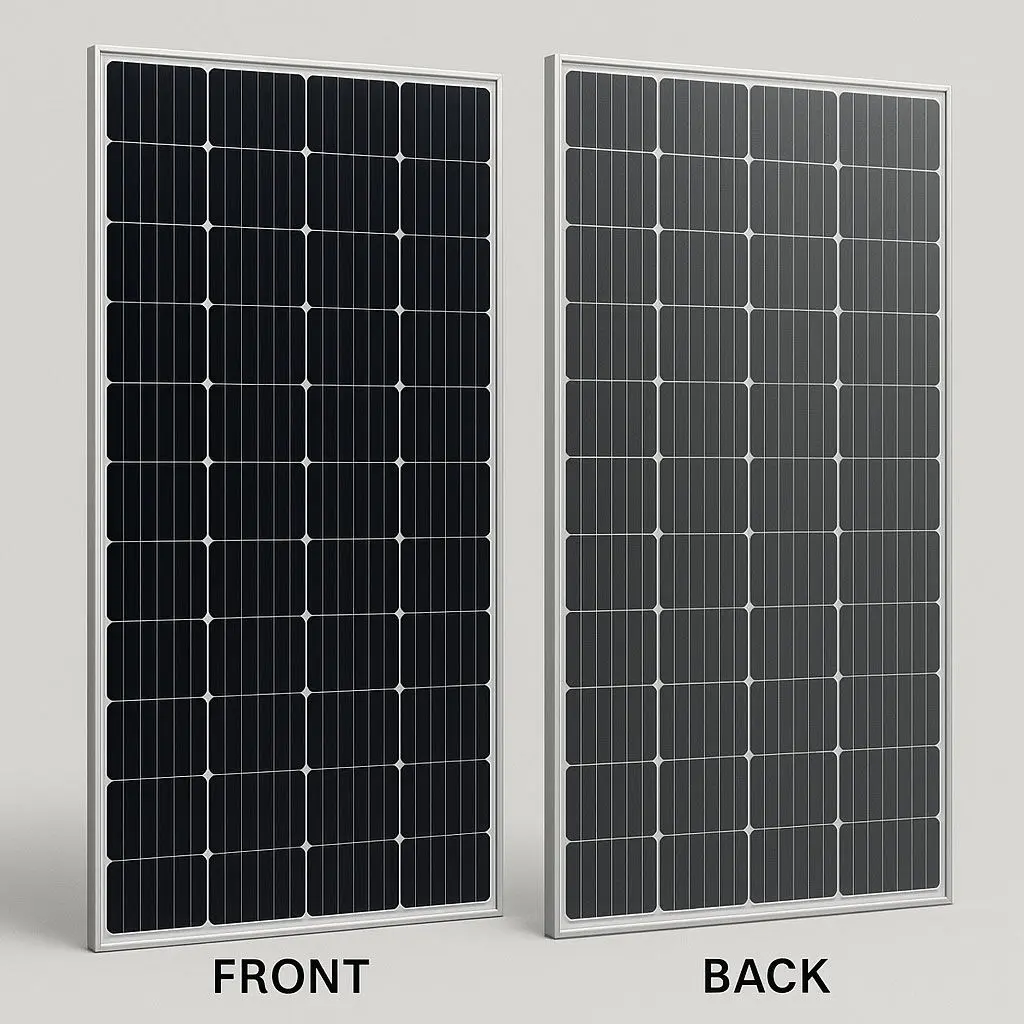
How they work
Generates power from the front and the rear side by capturing reflected and scattered light (known as “bifacial gain”).
Works best when there’s:
A reflective surface underneath (light roof membrane, concrete, light gravel), and/or
More clearance behind the panel (ground mounts, elevated racking, carports).
Key benefits
More energy potential from the same footprint in the right setup. NREL reports bifacial gains demonstrated around 5%–33% depending on configuration; real-world field gains are often around 5%–15%.
Often glass-glass construction, which can improve durability; and bifacial modules can have a lower temperature coefficient (helpful in heat), depending on product and installation.
Considerations
On a typical sloped residential roof where panels sit close to the roof surface, rear-side gain can be minimal.
Needs smarter design (mounting height, spacing, shading control, surface reflectivity) to justify the upgrade.
What's the difference between Monocrystalline, Polycrystalline and Bifacial panels?
| Feature | Monocrystalline | Polycrystalline | Bifacial |
|---|---|---|---|
| Core idea | Single-crystal silicon | Multi-crystal silicon | Front + rear generation |
| Best when | Limited roof space, premium compact systems | Space is available + budget focus | Ground mounts, flat roofs, carports, reflective surfaces |
| Performance note | Same watt rating ≈ similar output | Same watt rating ≈ similar output | Extra yield depends heavily on design/albedo |
| Typical "gotcha" | Paying extra when roof space isn't a constraint | Availability is lower in newer ranges | Minimal gain if flush-mounted on pitched roofs |
Heat matters in Australia: PV output typically drops as module temperature rises (often cited around 0.4–0.5% per °C above standard test conditions). That’s why installation design and temperature coefficient can be as important as panel “type.”
Quick "which should I choose?" guide
- Choose Monocrystalline if you want maximum watts on a smaller roof.
- Choose Polycrystalline if you have plenty of space and it’s competitively priced/available.
- Choose Bifacial if your site can actually benefit from it: carports, ground mounts, flat roofs, light/reflective surfaces.
At Solution with Sam, we commonly recommend quality modules and specify Tier 1 bifacial panels where the install design can take advantage of them.